


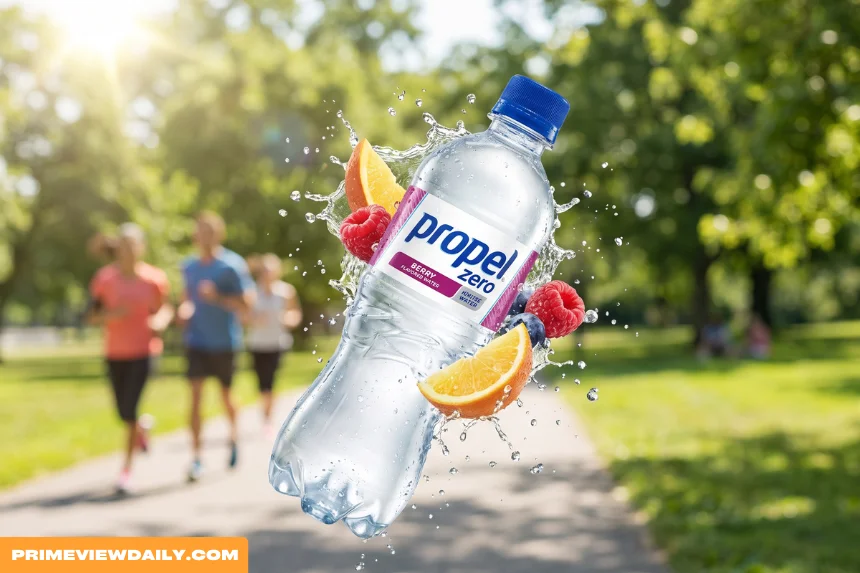
Is Propel water good for you? For many healthy adults, Propel can be a reasonable zero-sugar hydration option, especially after a sweaty workout. It provides water, sodium, a small amount of potassium and several vitamins without sugar or calories.
However, most people do not need electrolyte water for ordinary daily hydration. A typical 16.9-fluid-ounce bottle contains about 230 mg of sodium, plus sucralose, acesulfame potassium and citric acid. Therefore, whether Propel is a good choice depends on your activity, diet, health conditions and drinking habits.
Propel Water Quick Answer
| Question | Short answer |
|---|---|
| Is Propel water healthy? | It can be a reasonable option for healthy adults, particularly after sweating |
| Is it better than plain water? | Usually not for routine hydration |
| Does Propel contain sugar? | Standard bottled Propel contains zero sugar |
| Does it have calories? | Most standard flavors list zero calories |
| What electrolytes does it contain? | Mainly sodium, with a smaller amount of potassium |
| Does it contain artificial sweeteners? | Yes, usually sucralose and acesulfame potassium |
| Is Propel useful for exercise? | It may help replace some electrolytes lost through sweat |
| Is it suitable for diabetes? | It has no sugar, but individual needs still matter |
| Can children drink it? | Occasionally, but plain water should remain their main hydration drink |
| Who should use caution? | People with prescribed sodium, potassium or fluid restrictions |
What Is Propel Water?
Propel Fitness Water is a flavored electrolyte beverage made by the company behind Gatorade. According to the official Propel product page, standard bottled Propel contains zero sugar, zero calories, electrolytes and vitamins B3, B5, B6, C and E.
The drink is marketed for fitness and active occasions. However, it also appears in many people’s everyday beverage routines because it tastes sweeter than plain water without adding sugar.
Propel is not one single formula. Instead, the brand includes bottled Fitness Water, powder sticks, Immune Support products and caffeinated Energy Boost powder. Consequently, readers should always check the label on the exact product they are drinking.
Propel Water Nutrition Facts
The following table reflects a common current label for one 16.9-fluid-ounce or 500 mL bottle of standard Propel. Nevertheless, amounts may vary by flavor, package size and reformulation.
| Nutrient | Approximate amount per 500 mL bottle | Daily Value |
|---|---|---|
| Calories | 0 | Not applicable |
| Total carbohydrate | 0 g | 0% |
| Total sugar | 0 g | Not applicable |
| Added sugar | 0 g | 0% |
| Sodium | 230 mg | 10% |
| Potassium | 60 mg | Less than 2% |
| Vitamin C | 25 mg | About 30% |
| Vitamin E | 2.5 mg | About 15% |
| Niacin, vitamin B3 | 10.1 mg | About 60% |
| Pantothenic acid, vitamin B5 | 5.1 mg | About 100% |
| Vitamin B6 | 1 mg | About 60% |
PepsiCo’s official SmartLabel also warns that product information can change. Therefore, the bottle in your hand is the best source for its current ingredients and nutrient amounts.
What Ingredients Are in Propel?
A typical bottle contains more than water and salt. Common ingredients include:
- Water
- Citric acid
- Natural flavor
- Salt
- Potassium citrate
- Sodium citrate
- Sucralose
- Acesulfame potassium, also called Ace-K
- Potassium sorbate
- Sodium hexametaphosphate
- Calcium disodium EDTA
- Vitamins B3, B5, B6, C and E
The unfamiliar names do not all serve the same purpose. Specifically, salt and citrate compounds provide electrolytes, while sucralose and Ace-K create sweetness without sugar.
Meanwhile, citric acid adds tartness. Potassium sorbate helps preserve freshness, while sodium hexametaphosphate and calcium disodium EDTA help protect flavor.
Therefore, Propel is best described as a flavored, fortified electrolyte beverage rather than plain mineral water.
What Are the Potential Benefits of Propel Water?
Propel has several practical benefits when its formula matches the situation.
It Contributes to Hydration
First, Propel is mostly water. Drinking it contributes to total fluid intake, just as other nonalcoholic beverages do.
Moreover, some people drink more when water has flavor. If Propel helps someone replace soda or consistently meet their fluid needs, that habit may offer a practical benefit.
It Replaces Some Sodium Lost in Sweat
Sodium is the main electrolyte Propel supplies. Because sweat contains sodium, the drink may help replace some losses after prolonged exercise, hot-weather work or heavy sweating.
The CDC heat-hydration guidance recommends water for moderate activity in heat lasting less than two hours. However, it suggests balanced-electrolyte sports drinks when sweating continues for several hours.
Therefore, Propel may add more value after a long, sweaty session than it does during a quiet day indoors.
It Contains No Sugar
Standard bottled Propel contains no sugar. Consequently, it avoids the added sugar and carbohydrate calories found in many traditional sports drinks.
This feature may suit people who want flavor and electrolytes but do not need extra exercise fuel. In addition, it can be easier to fit into a carbohydrate-controlled eating plan.
It Provides Added Vitamins
Propel provides vitamins B3, B5, B6, C and E. These nutrients support normal functions such as energy metabolism and antioxidant protection.
However, added vitamins do not make the beverage essential. Most people should obtain their nutrition mainly from varied foods rather than relying on fortified drinks.
What Are the Drawbacks of Propel Water?
Propel’s disadvantages depend on how much someone drinks and what else appears in their diet.
The Sodium May Be Unnecessary
One standard bottle commonly contains 230 mg of sodium, which equals about 10% of the Daily Value. That amount can be useful after substantial sweating.
However, it may be unnecessary during routine hydration. The FDA sodium guidance sets the Daily Value at less than 2,300 mg per day and explains that 5% or less per serving is considered low.
Therefore, Propel is not a low-sodium beverage under that definition. Drinking several bottles can make a noticeable contribution to daily sodium intake.
It Uses Sucralose and Acesulfame Potassium
Standard Propel usually gets its sweetness from sucralose and Ace-K rather than sugar.
The FDA guidance on high-intensity sweeteners says approved sweeteners are considered safe for the general population under their intended conditions of use. Moreover, these sweeteners generally do not raise blood glucose in the way sugar does.
Nevertheless, some people dislike their taste or prefer to minimize very sweet beverages. A person may also notice that frequent sweet drinks make plain water less appealing, even when the drinks contain no sugar.
Citric Acid May Affect Tooth Enamel
Zero sugar reduces the fuel available to cavity-causing bacteria. However, it does not make an acidic drink harmless to enamel.
Propel contains citric acid, and frequent exposure to acidic drinks can contribute to dental erosion. The American Dental Association guidance recommends reducing repeated acidic-drink exposure and rinsing with water afterward.
Therefore, avoid swishing Propel or sipping it continuously for many hours. Drinking it with a meal and rinsing with plain water afterward may reduce contact time.
It Does Not Provide Exercise Fuel
Propel’s zero-sugar formula supplies no meaningful carbohydrate. That can be an advantage for a short workout but a disadvantage during prolonged endurance exercise.
For example, a distance athlete may need carbohydrates to maintain energy as well as fluid and electrolytes. Consequently, Propel alone is not a complete fueling plan for every long training session or race.
It Costs More Than Tap Water
Plain tap water is typically much less expensive. In addition, reusable bottles create less single-use plastic waste than individually packaged drinks.
Therefore, cost and packaging may matter even when the nutrition profile fits someone’s needs.
Is Propel Better Than Plain Water?
For most routine hydration, plain water is the better default. It hydrates without added sodium, sweeteners, acid or cost.
However, Propel may be more useful in certain situations:
| Situation | Better starting choice | Why |
|---|---|---|
| Normal daily activities | Plain water | Electrolyte losses are usually small |
| Short, light workout | Plain water | Added sodium is generally unnecessary |
| Long or very sweaty workout | Propel may help | Replaces some sodium and adds flavor |
| Exercise needing carbohydrate | Sports drink or water plus food | Propel has no carbohydrate fuel |
| Significant vomiting or diarrhea | Oral rehydration solution | Uses a specific glucose-electrolyte formula |
| Sodium-restricted eating plan | Plain water unless advised otherwise | Propel contributes dietary sodium |
Ultimately, Propel is a tool rather than an upgrade that everyone needs.
Is Propel Good for Working Out?
Propel can be useful during or after exercise when someone sweats heavily. In particular, its sodium may help replace part of what the body loses.
For a short gym visit, walk or easy workout, plain water is usually sufficient. However, hotter conditions, longer duration and a high personal sweat rate can increase the value of electrolytes.
Propel does not provide calories or carbohydrates. Therefore, people training for several hours may need food, gels or another drink that supplies fuel.
The right strategy also varies by body size, weather, clothing and medical history. Consequently, competitive endurance athletes may benefit from an individualized hydration plan.

Is Propel Good for Dehydration?
Propel may help with mild fluid replacement because it supplies water and electrolytes. For example, it can be reasonable after sweating if the person feels well and can drink normally.
However, Propel is not a medical oral rehydration solution. ORS contains a specific ratio of glucose and electrolytes that improves absorption during substantial vomiting or diarrhea.
The CDC recommends oral rehydration solution for severe fluid loss. Therefore, someone with persistent vomiting, severe diarrhea, fainting, confusion or very low urination should seek medical care rather than depend on Propel.
Is Propel Water Good for Weight Loss?
Propel does not directly cause fat loss. Nevertheless, standard Propel has no calories, so replacing soda, sweet tea or a sugar-sweetened sports drink with it can reduce beverage calories.
That substitution helps only when total calorie intake decreases. Therefore, Propel should not be marketed as a metabolism booster, appetite treatment or weight-loss supplement.
Plain water offers the same zero-calorie advantage without sweeteners or sodium. Consequently, personal preference and the rest of the diet determine which option is more practical.
Is Propel Suitable for People With Diabetes?
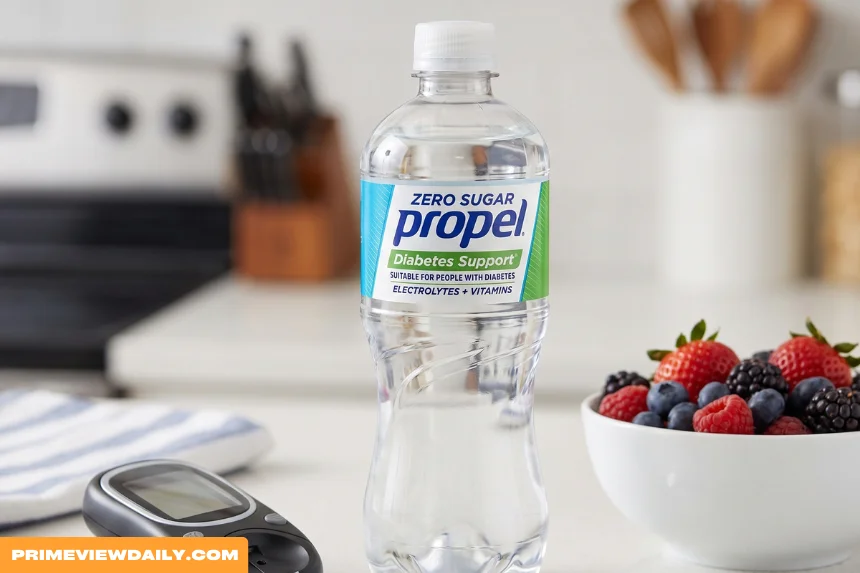
Standard Propel contains no sugar or carbohydrate. As a result, it generally has little direct effect on blood glucose compared with a regular sports drink.
However, people with diabetes should still read each label. Propel Immune Support, powders and other specialized products may have different ingredients or nutrient amounts.
In addition, an electrolyte drink does not treat high blood glucose, low blood glucose or diabetic ketoacidosis. Anyone with vomiting, rapid breathing, confusion or suspected ketoacidosis needs urgent medical care.
Can You Drink Propel Every Day?
Many healthy adults can include Propel in their diet. However, drinking it every day is not necessary for health, and quantity matters.
One bottle contributes about 230 mg of sodium. Consequently, several bottles can add hundreds of milligrams before food is counted.
Daily use also creates repeated exposure to a sweet and acidic beverage. Therefore, a balanced approach is to make plain water the main drink and use Propel when its flavor or electrolytes offer a clear benefit.
Who Should Be Careful With Propel?
Propel may not fit every medical eating plan.
People With Kidney Disease
Chronic kidney disease can change how the body manages sodium, potassium and fluid. The NIDDK kidney-disease nutrition guidance recommends individualized advice because needs vary by kidney function, treatment and blood tests.
Therefore, someone with kidney disease should ask a clinician or renal dietitian whether Propel fits their plan.
People With Heart Failure, Swelling or High Blood Pressure
Some people with heart failure, edema or sodium-sensitive hypertension receive a daily sodium or fluid limit. In that situation, Propel’s sodium must count toward the prescribed total.
One bottle is not automatically dangerous. However, repeated servings may be unsuitable when a clinician has recommended strict restriction.
People With Dental Erosion or Dry Mouth
Frequent acidic drinks can create more concern for someone who already has enamel erosion, reflux, dry mouth or sensitive teeth. Therefore, a dentist may recommend reducing exposure or choosing plain water more often.
People Taking Supplements
Propel contains several added vitamins. Although one bottle generally provides label-level amounts, multiple fortified products plus supplements can create unnecessary overlap.
Consequently, readers should consider their total intake rather than assuming more vitamins always produce more benefit.
Is Propel Water Good for Children?
Plain water and milk should remain the main drinks for children. The American Academy of Pediatrics’ healthy hydration advice for children says water is generally appropriate before, during and after sports.
However, an electrolyte beverage may become useful when vigorous exercise lasts longer than one hour or causes heavy sweating. Even then, parents should consider the child’s age, activity and pediatric guidance.
Standard Propel has no sugar, but it is sweetened and acidic. Therefore, it should not routinely replace plain water throughout the day.
Does Propel Contain Caffeine?
Standard bottled Propel Fitness Water is generally caffeine-free. Likewise, ordinary Propel Fitness Powder does not contain caffeine.
However, Propel Energy Boost Powder contains 118 mg of caffeine per serving according to the current official product information. Consequently, shoppers should not assume every package bearing the Propel name is caffeine-free.
This distinction matters for children, pregnancy, caffeine sensitivity and anyone limiting stimulants.
Bottles, Powders and Immune Support Are Different
Propel product labels are not interchangeable.
| Product | Notable difference |
|---|---|
| Standard 500 mL bottle | Commonly 230 mg sodium and 60 mg potassium |
| Fitness Powder mixed into 20 oz | Current page lists 260 mg sodium and 80 mg potassium |
| Energy Boost Powder | Contains 118 mg caffeine per serving |
| Immune Support varieties | May contain more vitamin C and added zinc |
Therefore, always read the serving size, sodium, sweeteners, vitamins and caffeine statement on your specific product.
How to Use Propel More Sensibly
Propel can fit into a balanced routine without becoming the only beverage someone drinks.
- Use plain water as the main everyday drink.
- Consider Propel after prolonged sweating or when flavor improves fluid intake.
- Check sodium across the entire day’s food and beverages.
- Avoid sipping acidic drinks continuously.
- Rinse the mouth with plain water after drinking it.
- Use a separate carbohydrate source during long endurance exercise when needed.
- Choose oral rehydration solution for significant vomiting or diarrhea.
- Follow medical advice if you have fluid, sodium or potassium restrictions.
Ultimately, the best choice is the one that meets hydration needs without creating avoidable problems elsewhere.
Frequently Asked Questions
1. Is Propel water good for you?
Propel can be a reasonable zero-sugar hydration option for many healthy adults. However, plain water remains the better default when extra electrolytes are unnecessary.
2. Can you drink Propel every day?
Many healthy adults can drink it regularly. Nevertheless, daily users should account for its sodium, artificial sweeteners and acidity while keeping plain water as their main drink.
3. Is Propel better than regular water?
Usually not for ordinary daily hydration. However, Propel may offer an advantage after long, hot or very sweaty activity because it supplies sodium.
4. Does Propel contain sugar or calories?
Standard bottled Propel lists zero sugar and usually zero calories. Still, readers should check specialized products because formulations can differ.
5. Does Propel contain artificial sweeteners?
Yes. Standard Propel commonly contains sucralose and acesulfame potassium, which the FDA permits under specified conditions of use.
6. Is Propel good for dehydration?
It may help replace mild fluid and electrolyte losses after sweating. However, significant dehydration from vomiting or diarrhea requires oral rehydration solution and sometimes medical care.
7. Is Propel good for workouts?
Propel may help during long or sweaty workouts. In contrast, plain water is usually adequate for short or low-intensity exercise.
8. Can people with diabetes drink Propel?
Standard Propel contains no sugar or carbohydrate, so it generally has little direct glucose effect. Nevertheless, it does not treat diabetes or a glucose emergency.
9. Is Propel safe with kidney disease or high blood pressure?
It depends on the person’s prescribed sodium, potassium and fluid limits. Therefore, people with kidney disease, heart failure or a strict sodium restriction should consult their healthcare professional.
10. Can children drink Propel water?
Children can occasionally drink standard Propel, especially after prolonged heavy sweating. However, pediatric guidance recommends plain water as the routine hydration choice.
Conclusion
So, is Propel water good for you? It can be a useful zero-sugar hydration option for healthy adults who sweat heavily or prefer flavored water. It supplies fluid, sodium, some potassium and several vitamins without added sugar.
However, Propel is not inherently better than plain water. Its sodium may be unnecessary during a typical day, while sucralose, Ace-K and citric acid may not suit every preference or health plan.
Therefore, use plain water as the everyday foundation and choose Propel when its electrolytes or flavor serve a practical purpose. Anyone with kidney disease, heart failure, a prescribed fluid limit or a strict sodium restriction should seek individualized guidance.
Medical Disclaimer
This article provides general educational information and does not replace medical advice. Ask a qualified healthcare professional about hydration if you have kidney disease, heart disease, diabetes, high blood pressure, a fluid restriction or symptoms of significant dehydration.