


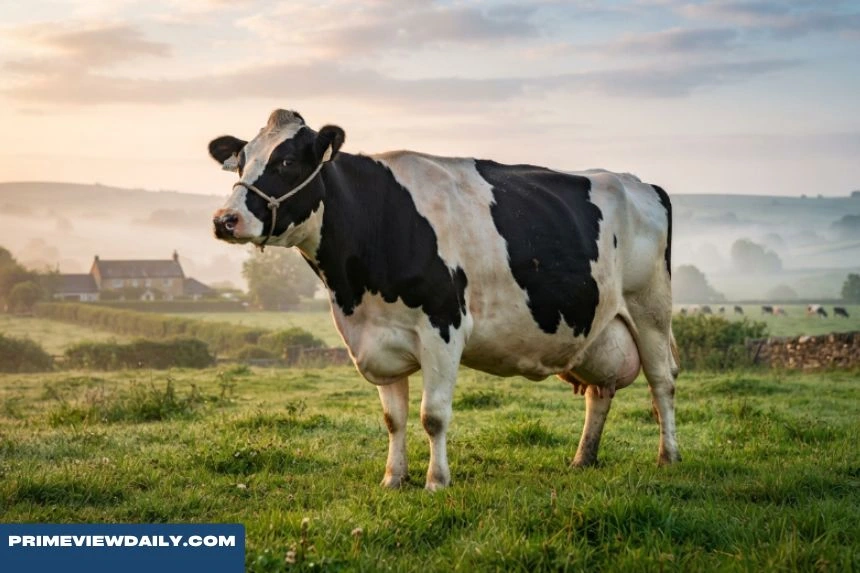
If you are asking what is a pregnant cow called, the simplest answer is a pregnant cow. Farmers may also say bred cow or in-calf cow. However, the technically correct term depends on her history. A female carrying her first calf is a pregnant heifer, because she has never calved.
The confusion comes from mixing several facts. “Cow” describes a female that has calved before. “Pregnant” describes her current reproductive status. Meanwhile, “dry” describes whether a dairy cow is producing milk. Therefore, one animal can carry several accurate labels at once. what is a pregnant cow called
This guide separates each term and shows when to use it.
The Short Answer: What Is a Pregnant Cow Called?
A previously calved female carrying another calf is normally called a pregnant cow. In North American livestock settings, bred cow also appears frequently. British and Commonwealth speakers often describe her as in calf or as an in-calf cow.
However, a female carrying her first pregnancy remains a pregnant heifer. The USDA APHIS cattle terminology separates a heifer that has not borne a calf from a cow that has calved. Consequently, conception alone does not turn a heifer into a cow.
The phrase “expectant cow” works in casual writing, but farmers rarely need it. “Pregnant cow” gives the clearest answer for general readers. For precise livestock records, add calving history and pregnancy confirmation.
If She Has Calved Before
Use pregnant cow when the female has already delivered at least one calf. You can also use bred cow when farm context makes the meaning clear. Additionally, in-calf cow provides a recognized regional alternative.
These terms may describe the same animal from different angles:
- Pregnant cow emphasizes current pregnancy.
- Bred cow emphasizes breeding status or pregnancy in a livestock group.
- In-calf cow means she carries a developing calf.
- Dry pregnant cow adds her non-lactating status.
- Springing cow suggests she is close to calving.
Therefore, no single special noun replaces “cow.” Farmers usually modify the word with an adjective or short phrase.
If This Is Her First Pregnancy
Use pregnant heifer or bred heifer for a female that has never calved. Even late in pregnancy, she remains a heifer until the first birth event.
For example, a 20-month-old female carrying her first calf is not technically a cow. She is a pregnant heifer. If she nears calving, someone may call her a springing heifer.
After she calves, the strict category changes to cow. Nevertheless, farmers sometimes use “first-calf heifer” during the first lactation. That transitional phrase highlights her young age and continued growth, although she has technically entered the cow category.
Five Questions That Choose the Correct Cattle Term
One label cannot communicate everything. Instead, ask five questions about the animal.
| Question | Possible answer | Best term |
| Has she calved before? | No | Heifer |
| Has she calved before? | Yes | Cow |
| Was she exposed for breeding? | Yes, pregnancy unconfirmed | Bred female or exposed female |
| Is pregnancy confirmed? | Yes | Pregnant or in-calf |
| Is she near calving? | Yes | Springing or close-up |
| Is she producing milk? | No | Dry |
| Has she recently calved? | Yes | Fresh cow |
This system separates life stage, reproductive status, pregnancy timing, and lactation. Consequently, it prevents most terminology mistakes.
Has She Calved Before?
First, determine parity. Parity means the number of times a female has calved. A heifer has no previous calving, while a cow has at least one.
That boundary matters more than age. Two females may share the same birthday, yet one has calved and the other has not. Therefore, age alone cannot decide between cow and heifer.
The Wikipedia cattle overview supplies broader species and terminology context. However, farm records provide the reliable answer for an individual animal’s calving history. what is a pregnant cow called
Was She Only Bred or Confirmed Pregnant?
“Bred” can describe an animal that was mated or inseminated. However, breeding does not always produce conception. Consequently, “bred cow” may indicate exposure rather than a confirmed pregnancy in some sale or herd records.
Ask whether a veterinarian or validated test confirmed pregnancy. If not, use “bred” or “exposed” carefully. If confirmation exists, “pregnant cow” gives a stronger statement.
This distinction protects buyers and improves records. A breeding date estimates when conception might have occurred, but it does not prove that an embryo developed.
How Close Is She to Calving?
Pregnancy stage can add another term. A female near delivery may be called springing, close-up, or heavy bred. Nevertheless, these labels lack one universal time window.
On dairy farms, “close-up” often describes a management group during the final weeks before calving. “Springing” similarly suggests visible or expected proximity to birth. However, farms may define the periods differently.
Therefore, an expected calving date communicates more information than the adjective alone. Records should include dates whenever timing affects care or sales.
Is She Still Producing Milk?
A pregnant dairy cow may continue lactating for much of gestation. Later, the farm may stop milking her before the next calving. She then enters a dry period.
Thus, pregnant and dry answer different questions. Pregnancy concerns the reproductive tract, while dry status concerns milk removal and lactation. A cow may be pregnant and lactating, pregnant and dry, or dry without a confirmed pregnancy. what is a pregnant cow called
This distinction becomes crucial in dairy management. Calling every pregnant animal dry would place many cows in the wrong nutritional and management group.
Which Regional Vocabulary Applies?
“Pregnant cow” works across most English-speaking audiences. “Bred cow” appears commonly in North American ranching and sale language. Meanwhile, “in calf” sounds especially natural in British and Commonwealth agriculture.
The Cambridge Dictionary entry for “in calf” defines the phrase as pregnant when used of a cow. Therefore, “three cows are in calf” simply means three cows are pregnant.
Regional wording does not change biology. Choose the term your audience understands, then add a precise explanation if pregnancy confirmation or stage matters. what is a pregnant cow called
Pregnant Cow, Bred Cow, and In-Calf Cow Compared
The three phrases often overlap, but they carry slightly different emphasis.
| Term | Main meaning | Best use | Possible ambiguity |
| Pregnant cow | Cow carrying a developing calf | General and veterinary communication | Requires previous calving for strict cow usage |
| Bred cow | Cow mated or commonly believed/confirmed pregnant | Ranch records and livestock sales | May mean exposed, not confirmed |
| In-calf cow | Pregnant cow | British/Commonwealth English | Less familiar to some U.S. readers |
| With calf | Carrying a calf | Descriptive or traditional language | Informal |
For a general article, “pregnant cow” gives the least ambiguous answer. For a sale listing, state whether pregnancy was veterinarian-confirmed and provide the estimated calving window.
Pregnant Cow
“Pregnant cow” is plain, accurate language for a previously calved female carrying another calf. It works in classrooms, news articles, veterinary communication, and everyday conversation.
The phrase also avoids a regional barrier. Readers do not need to know specialized ranch vocabulary. Moreover, it does not imply anything about lactation, pregnancy stage, or breeding method.
However, strict livestock writing should not apply “cow” to a first-pregnancy heifer. In casual speech, people call many female cattle cows, but precise records should preserve the difference. what is a pregnant cow called
Bred Cow
Farmers, ranchers, and auction catalogs often use bred cow. The Oregon State University Extension beef glossary describes pregnant cattle as heifers or cows that conceived and have not yet calved.
Nevertheless, “bred” can describe the mating event rather than its successful outcome. A cow exposed to a bull may appear in a bred group before pregnancy checking. Therefore, readers should look for words such as “confirmed,” “pregnancy checked,” or “safe in calf.”
When status affects money or management, ask three questions: Was pregnancy confirmed? By what method? What is the estimated calving period?
In-Calf Cow and With Calf
An in-calf cow is pregnant. The phrase pictures the cow as carrying a calf, much like “in foal” for a mare or “in lamb” for a ewe.
“With calf” expresses the same basic idea. However, it sounds more descriptive and traditional than technical. Both phrases can appear in farm writing, sales, and regional conversation.
Hyphenation changes with sentence position. Writers commonly use “an in-calf cow” before a noun but “the cow is in calf” after a verb. Nevertheless, meaning matters more than style for general readers. what is a pregnant cow called
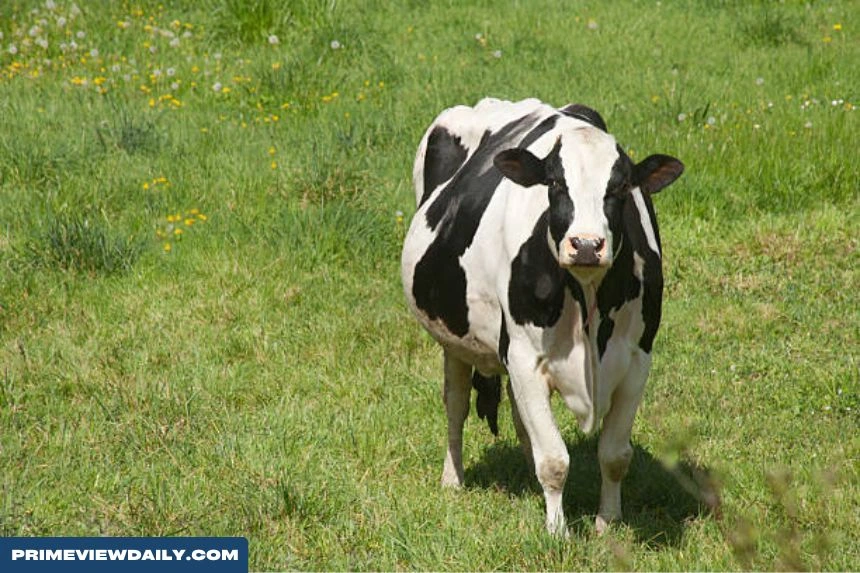
Why a Pregnant Heifer Is Not Yet a Cow
The keyword uses “cow,” but the animal may actually be a heifer. This correction creates the most important information gain.
Heifer Versus Cow
A heifer is a female bovine that has not calved. A cow has calved at least once. Therefore, reproductive history creates the technical boundary. what is a pregnant cow called
Pregnancy does not erase that distinction. A heifer can be open, bred, confirmed pregnant, or near calving. She remains a heifer through each stage.
Once she delivers her first calf, she becomes a cow. Consequently, the term changes at calving rather than conception, pregnancy confirmation, or a particular birthday. what is a pregnant cow called
The First-Calving Boundary
Consider two examples. Animal A is three years old and has never calved; technically, she remains a heifer. Animal B is two years old and recently delivered; she qualifies as a cow.
Age often tracks life stage in managed herds, but it does not define it universally. Health, breed, growth, breeding plans, and farm conditions create variation.
Therefore, ask for calving history before choosing the term. A visible pregnancy cannot tell you whether the female has produced a previous calf.
First-Calf Heifer as Transitional Language
Farmers sometimes call a young female a first-calf heifer around or after her first birth. Technically, she becomes a cow after calving. However, the older phrase remains useful in management.
A first-calf female still grows while supporting lactation and recovery. Consequently, farmers may separate her from mature cows for feed or breeding decisions.
The phrase should not confuse beginners. “First-calf cow” gives stricter terminology, while “first-calf heifer” communicates the common industry stage.
Terms for Different Pregnancy Stages
Pregnant cattle do not receive a new formal name every trimester. Instead, producers add practical descriptors. what is a pregnant cow called
Early Pregnancy
Early in gestation, the animal may simply appear in records as pregnant, bred, or confirmed in calf. Visual appearance rarely proves pregnancy at this stage.
The Merck Veterinary Manual pregnancy-determination guide discusses professional use of palpation, ultrasound, and other testing approaches. Therefore, owners should rely on trained veterinary evaluation rather than belly shape.
A veterinarian may also estimate gestational age. However, no method turns an uncertain breeding date into a perfectly exact delivery date.
Mid-Gestation
During mid-gestation, “pregnant cow” or “in-calf heifer” remains sufficient. Farm records may also place the animal into an early-, middle-, or late-calving group.
Grouping supports nutrition, pasture planning, marketing, and observation. Nevertheless, those management labels vary widely. One ranch may define “early-calving” through a breeding season, while another uses calendar months. what is a pregnant cow called
Therefore, readers should not treat group names as universal dictionary terms. Dates and confirmed gestational estimates provide the real detail. what is a pregnant cow called
Springing or Close-Up Cattle
A springing heifer or springing cow approaches calving. Hoard’s Dairyman describes a springing heifer as one in the final weeks of pregnancy in its farm terminology explanation.
“Close-up” appears often in dairy management. A close-up dry cow belongs to the late-gestation group approaching calving. However, each farm may choose a slightly different start date.
“Heavy bred” can also indicate advanced pregnancy, especially in sales. Nevertheless, buyers should request an estimated calving window instead of assuming an exact due date. what is a pregnant cow called
Fresh Cow After Calving
After delivery, dairy farmers may call the animal a fresh cow. “Fresh” means recently calved and newly entered lactation. Therefore, it does not describe pregnancy.
The change can happen quickly in farm language. Before birth, she may be a close-up dry cow. After birth, she moves into a fresh-cow group.
Meanwhile, “dam” identifies her as the calf’s female parent. Dam is a relationship term, not a pregnancy-stage label.
Dry Cow Does Not Simply Mean Pregnant Cow
This mistake deserves a separate explanation because many dry cows are what is a pregnant cow called.
Dry Describes Lactation Status
The Mississippi State University beef cattle glossary defines a dry cow as a non-lactating cow. Therefore, “dry” tells you that she is not producing or having milk removed.
It does not, by itself, prove pregnancy. A cow might be dry because she approaches calving, because lactation ended, because she lost a calf, or because of another management or health circumstance.
Thus, “pregnant dry cow” gives more information than “dry cow.” The first phrase reports both reproductive and lactation status. what is a pregnant cow called
Pregnant and Lactating Can Overlap
Dairy cows commonly conceive while still lactating. Consequently, a cow can remain pregnant and continue producing milk for months.
Later, farms usually create a non-lactating period before the next calving. During that period, the cow may be both dry and pregnant. However, the two states did not begin at the same time.
This overlap explains why “dry cow” cannot answer the keyword alone. The correct pregnancy term remains pregnant, bred, or in calf. what is a pregnant cow called
Close-Up Dry Cow
A close-up dry cow is a non-lactating dairy cow nearing calving. The label helps farms manage late-gestation nutrition, housing, observation, and movement to maternity areas.
Nevertheless, “close-up” is a management category. It does not replace “pregnant cow” in general English. Additionally, the exact number of close-up days differs across operations.
For readers outside dairy farming, “pregnant cow close to calving” offers the clearest translation.
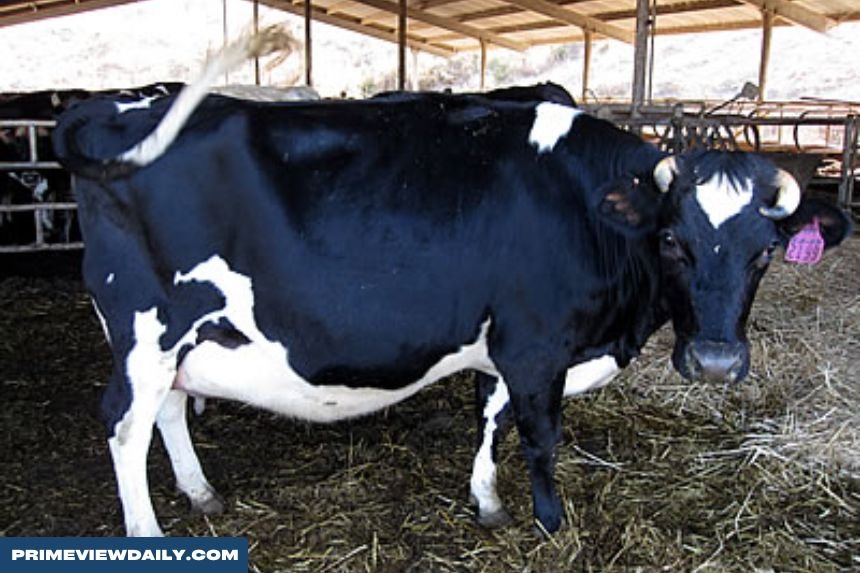
Open Cow, Bred Cow, and Confirmed Pregnancy
Pregnancy records often divide females into open and pregnant groups. However, the terms need careful interpretation.
What Open Means
An open cow or open heifer is not pregnant at the time of assessment. “Open” does not automatically mean sterile, barren, or permanently unable to conceive.
The animal may not have been exposed, may have failed to conceive, or may have lost a pregnancy. Therefore, the next management decision depends on age, health, timing, herd goals, and veterinary findings.
In sale language, open and bred often form opposing categories. Still, sellers should state how and when pregnancy status was checked. what is a pregnant cow called
Why Breeding Exposure Is Not Proof
A bull joining a group of cows creates an opportunity for breeding. Artificial insemination also creates an opportunity. Neither event guarantees conception or continued pregnancy.
The Kansas State University Extension discussion of pregnancy checking distinguishes bred value from open status and explains why timing information helps management. Consequently, good records separate exposure date from confirmed pregnancy.
Use “exposed cow” when only bull exposure is known. Use “bred cow” with a qualification when necessary. Use “pregnant cow” after suitable confirmation.
How Professionals Confirm Pregnancy
Veterinarians may use rectal palpation, ultrasound, or validated blood-based testing depending on timing and herd circumstances. Each method has strengths, limits, and appropriate windows.
Untrained owners should not attempt invasive examination. Incorrect technique can injure the animal, the pregnancy, or the examiner. Therefore, arrange professional confirmation when pregnancy status affects feeding, treatment, transport, sale, or calving plans.
Also remember that early pregnancy can be lost after an initial positive result. Farms may recheck cattle when risk, timing, or management needs justify it.
Common Mistakes and Better Wording
| Mistake | Why it misleads | Better wording |
| Every pregnant female is a cow | First-pregnancy females remain heifers | Pregnant heifer or pregnant cow, based on calving history |
| Bred always means confirmed pregnant | Bred may mean exposed or inseminated | Bred and confirmed pregnant |
| Dry means pregnant | Dry concerns lactation | Pregnant dry cow, if both apply |
| Open means infertile | Open means not pregnant now | Open cow; fertility status unknown |
| Springing gives an exact due date | Timing varies by use | Springing, expected to calve within stated window |
| Fresh means pregnant | Fresh means recently calved | Fresh cow after calving |
| Belly size confirms pregnancy | Rumen fill and body condition can mislead | Veterinary pregnancy confirmation |
| Dam means pregnant mother | Dam identifies a female parent | Pregnant cow before birth; dam after relationship exists |
Precise wording matters most in records, sales, and veterinary communication. Casual conversation can remain simpler.
Real-World Examples
Example: First Pregnancy
A 19-month-old female has never calved. Ultrasound confirms that she carries a fetus. Therefore, she is a pregnant heifer, not technically a pregnant cow.
If she enters the final weeks, the farm may call her a springing heifer. After birth, she becomes a first-calf cow, although some producers still say first-calf heifer. what is a pregnant cow called
Example: Mature Beef Female
A five-year-old female has raised three calves. A veterinarian confirms another pregnancy after the breeding season. She is a pregnant cow, bred cow, or in-calf cow.
If pregnancy checking finds no pregnancy, she is open. That result does not establish permanent infertility without further evaluation.
Example: Pregnant Dairy Cow Still Milking
A dairy cow conceived several months after calving and continues producing milk. She is a pregnant lactating cow. She is not yet dry.
Later, the farm stops milking her before the next calving. She then becomes a pregnant dry cow. Thus, her pregnancy status stayed the same while her lactation status changed.
Example: Sale Listing
A catalog says “bred cow” but gives no confirmation method. A buyer should not automatically assume guaranteed pregnancy.
A stronger listing would say “veterinarian-confirmed pregnant,” include the check date, and provide an estimated calving window. Therefore, the extra details make “bred” more useful and verifiable. what is a pregnant cow called
Why Correct Pregnant-Cow Terms Matter
Vocabulary may seem minor, but each label can trigger a different farm decision. “Heifer” versus “cow” affects expectations around first calving. “Bred” versus “confirmed pregnant” affects scheduling and value. Meanwhile, “lactating” versus “dry” affects grouping and feeding.
Correct wording also protects readers outside agriculture. A student needs the biological distinction. A buyer needs confirmation details. A veterinarian needs a clear history. Therefore, one accurate phrase can prevent several wrong assumptions.
Herd Records and Veterinary Communication
Good herd records separate identity, reproductive history, breeding exposure, pregnancy diagnosis, expected calving, and lactation status. For example, “Cow 184, ultrasound-confirmed pregnant, expected March calving, currently lactating” communicates much more than “bred cow.”
Parity should also remain visible. A pregnant heifer approaching her first calving may need different observation and management from a mature cow. Consequently, combining both groups under one vague label can hide useful risk and nutrition information.
Veterinary communication benefits from dates. Record the breeding or exposure period, pregnancy-check date, confirmation method, and estimated stage. Additionally, record pregnancy loss or uncertain findings instead of silently leaving an outdated pregnant status.
However, records should describe rather than diagnose beyond the available evidence. “Exposed to bull” is accurate when no check occurred. “Pregnancy confirmed” becomes appropriate only after a suitable test or examination.
Livestock Sales and Public Writing
Sale language should help buyers understand what the seller actually knows. “Bred cow” alone may not reveal whether a bull merely joined the herd or a veterinarian confirmed pregnancy. Therefore, responsible listings add the confirmation date, expected calving window, and known service sire when relevant.
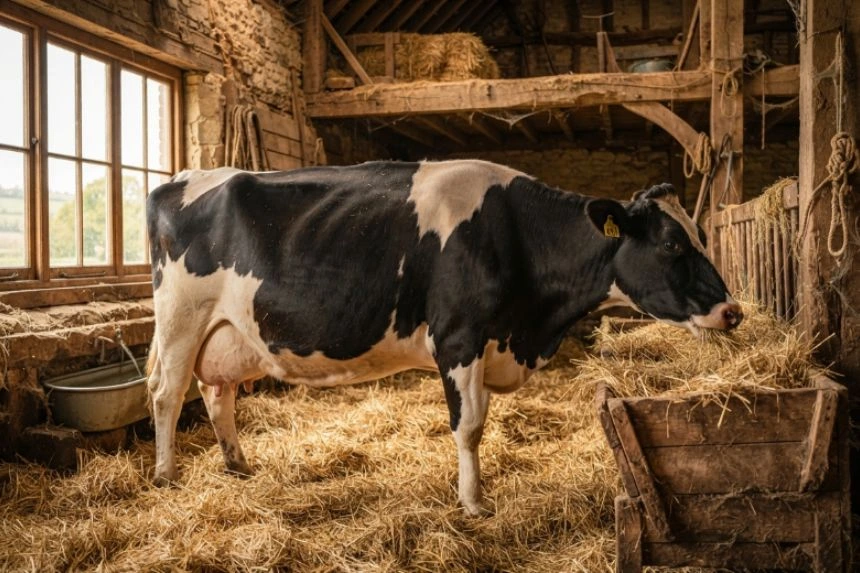
Writers should apply the same discipline. A photo caption may show a female bovine, but it rarely proves calving history or pregnancy. “Cattle in pasture” offers safer wording than guessing “pregnant cows.”
Public articles should also translate regional language. For example, introduce “in-calf cow” as another term for a pregnant cow. Then use the wording most familiar to the target audience.
Finally, avoid turning technical labels into insults or jokes. Heifer, cow, bred, open, and dry have legitimate agricultural meanings. Using them precisely respects both the people who manage cattle and the animals described. what is a pregnant cow called
Frequently Asked Questions About Pregnant Cattle
1. What Is a Pregnant Cow Called?
A previously calved pregnant female is called a pregnant cow, bred cow, or in-calf cow. However, a female carrying her first calf is technically a pregnant heifer.
2. Is a Pregnant Cow Called a Heifer?
Only if she has never calved. A first-pregnancy female remains a heifer until first calving. A female that has calved before is a cow. what is a pregnant cow called
3. What Does Bred Cow Mean?
Bred cow usually means a cow that was mated and is often assumed or confirmed pregnant. Nevertheless, “bred” may report exposure only, so check whether pregnancy was professionally confirmed.
4. What Does In-Calf Cow Mean?
An in-calf cow is pregnant. The phrase appears commonly in British and Commonwealth English, while “pregnant cow” is universally understood.
5. What Is a Pregnant Heifer Called?
She is called a pregnant heifer, bred heifer, or in-calf heifer. She does not technically become a cow until she calves for the first time.
6. What Is a Cow Close to Giving Birth Called?
Farmers may call her a springing cow, close-up cow, or heavy-bred cow. However, these terms do not guarantee one exact number of days before calving.
7. Is a Dry Cow Always Pregnant?
No. Dry means non-lactating. Many dairy dry cows are pregnant and nearing calving, but dry status alone does not prove pregnancy.
8. What Is a Nonpregnant Cow Called?
In breeding-herd language, she is often called an open cow. “Open” means not pregnant at assessment; it does not automatically mean sterile.
9. How Long Is a Cow Pregnant?
Cattle gestation lasts about nine months. However, breed, calf sex, genetics, and individual variation can shift the actual calving date. what is a pregnant cow called
10. Can You Identify a Pregnant Cow by Looking?
Not reliably, especially early in gestation. Body shape, rumen fill, and fat can mislead. Therefore, use veterinary palpation, ultrasound, or an appropriate validated test.
Conclusion: What Is a Pregnant Cow Called?
The clearest answer to what is a pregnant cow called is pregnant cow. Farmers may also say bred cow or in-calf cow. However, previous calving decides whether “cow” is technically correct.
A female carrying her first calf remains a pregnant heifer. Meanwhile, springing describes late pregnancy, dry describes non-lactation, fresh describes recent calving, and open means not pregnant.
Therefore, choose the term through five facts: calving history, pregnancy confirmation, stage, lactation status, and region. That approach produces language that is clear enough for beginners and precise enough for farm records.
Read More At Prime View Daily